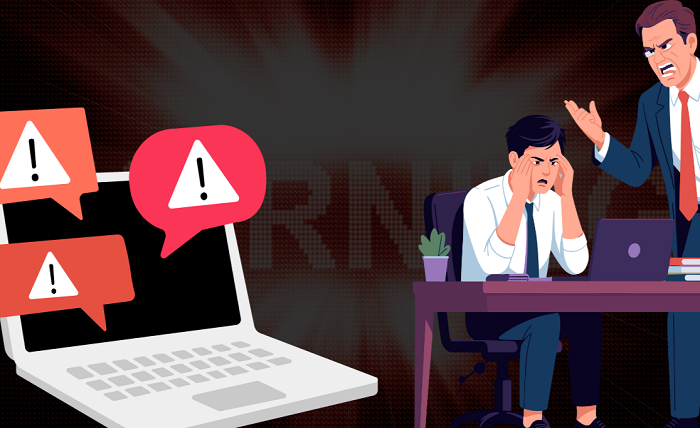
Introduction: The Reality of Data Loss Today
Data loss is no longer a rare, worst-case scenario. It is something businesses of all sizes have to prepare for every day. Whether it comes from cyberattacks, system failures, or simple human error, losing access to critical data can disrupt operations instantly.
The financial impact is hard to ignore. Recent reports show that the global average cost of a data breach has climbed to $4.88 million in 2024, highlighting how serious the risk has become. For many organizations, a single incident can lead to long-term damage, not just financially but also in terms of trust and reputation.
Because of this, relying on reactive IT support is no longer enough. Businesses need systems in place that prevent issues before they happen. A proactive approach, especially one that includes automated backups, helps ensure operations continue even when unexpected problems arise.
Understanding the True Cost of Downtime
When systems go offline, the effects are immediate. Employees are unable to work, customers cannot complete transactions, and ongoing projects come to a halt. Even a short disruption can ripple across the entire organization.
Studies show that many companies lose hundreds of thousands of dollars for every hour of downtime. These losses are not limited to missed sales. They also include recovery costs, reduced productivity, and potential damage to customer relationships.
There are also less obvious consequences. Clients expect reliability, and repeated disruptions can make them question your ability to deliver. Over time, this can lead to lost business and a weakened brand reputation.
The difference between reactive and proactive IT becomes very clear in these situations. Reactive approaches deal with problems after the damage is done, while proactive strategies are designed to prevent these costly interruptions altogether.
Moving Beyond the Break-Fix Model
The traditional break-fix model focuses on repairing issues only after they occur. While this approach might seem cost-effective at first, it often leads to higher expenses over time.
Waiting for systems to fail means accepting downtime as part of normal operations. Each failure results in lost productivity, urgent repair costs, and unnecessary stress for both employees and management.
Proactive IT management takes a different approach. Instead of reacting to failures, it continuously monitors systems, identifies potential risks, and resolves issues early. This reduces the likelihood of major disruptions and creates a more stable working environment.
At this stage, many organizations choose to work with an IT service partner in Greenville to ensure their systems are monitored and maintained consistently. This shift allows businesses to focus less on fixing problems and more on long-term growth.
How Automated Backups Protect Your Business
Automated backups are one of the most effective ways to protect against data loss. Instead of relying on manual processes, backups are performed regularly without requiring human intervention. This ensures that the most recent version of your data is always available.
In the event of a failure or cyberattack, these backups allow your business to recover quickly. Systems can be restored, and operations can continue with minimal disruption. This is especially important during ransomware attacks, where access to data is intentionally blocked.
By maintaining secure copies of your data, businesses remove the pressure to pay ransoms or scramble for recovery solutions. Instead, they can restore clean data and move forward without significant delays.
To better understand how this works, it helps to look at the concept of data integrity, which refers to keeping information accurate, consistent, and reliable over time. Automated backups play a key role in maintaining this standard across all business systems.
The Importance of Redundancy in Backup Systems
Having a single backup is not always enough. If that backup becomes corrupted or inaccessible, your business could still face serious challenges. This is why redundancy is critical.
Redundant backup systems store multiple copies of your data in different locations. These can include local servers, off-site facilities, or cloud environments. If one source fails, another can be used to restore operations.
This layered approach adds an extra level of protection. It ensures that no single point of failure can compromise your ability to recover data. For businesses that rely heavily on digital systems, this kind of reliability is essential.
Meeting Compliance and Security Requirements
Many industries are required to follow strict regulations when it comes to data protection. Healthcare, legal, and financial organizations must ensure that sensitive information is stored securely and can be recovered if needed.
Automated backups help meet these requirements by providing consistent, traceable processes for data storage and recovery. They also create records that can be used during audits, showing that proper safeguards are in place.
Failing to meet these standards can result in heavy fines and legal consequences. More importantly, it can damage the trust clients place in your business. Having a reliable backup strategy helps reduce these risks and ensures compliance is maintained.
Aligning Backup Strategies with Business Goals
Data protection should not be treated as a separate technical task. It should be part of your overall business strategy. When backup systems are aligned with your goals, they support growth rather than slow it down.
This involves understanding which data is most critical, how quickly it needs to be restored, and what level of protection is required. With this information, businesses can create a backup strategy that fits their operations.
Strategic planning also helps avoid unnecessary costs. Instead of overinvesting in tools that are not needed, businesses can focus on solutions that provide real value and long-term reliability.
Conclusion
Data loss and downtime are risks that no business can afford to ignore. The impact goes beyond immediate financial loss and can affect long-term growth and reputation.
Automated backups provide a simple but powerful solution. They ensure that data is protected, recovery is fast, and operations can continue even during unexpected events. When combined with proactive IT management, they create a strong foundation for stability and growth.
Moving away from reactive systems and investing in reliable backup strategies allows businesses to operate with confidence. Instead of worrying about what might go wrong, you can focus on building and expanding your organization.