Hearing that you need to see a heart specialist can be unsettling. Perhaps your primary care physician noticed an irregular rhythm during a routine checkup, or maybe you have been dealing with chest discomfort, shortness of breath, or fatigue that simply will not go away. Whatever the reason, finding the right cardiologist and walking into your first appointment well prepared can make a significant difference in the quality of care you receive.
This guide explains how to identify a cardiologist who fits your needs, what to organize before your visit, and what you can reasonably expect once you are in the exam room.
When Should You See a Cardiologist?
A cardiologist is a physician who specializes in diagnosing and treating conditions of the heart and blood vessels. Many people are referred to one by their primary care doctor, but there are also situations in which seeking a specialist on your own makes sense.
Common reasons for a cardiology evaluation include:
- Chest pain, pressure, or tightness, particularly during physical exertion
- Shortness of breath that seems out of proportion to your activity level
- Heart palpitations, a racing heartbeat, or a sensation of skipped beats
- Unexplained dizziness or fainting episodes
- Swelling in the legs, ankles, or feet
- High blood pressure that remains difficult to control
- Elevated cholesterol, especially alongside other risk factors
- A strong family history of heart disease or sudden cardiac death
- Diabetes, smoking history, or kidney disease, all of which raise cardiovascular risk
It is important to distinguish between symptoms that warrant a scheduled appointment and those that require emergency care. Sudden, severe chest pain, pain spreading to the arm, jaw, or back, difficulty breathing, or fainting should never wait for an office visit. In those cases, call 911 or go to the nearest emergency department immediately.
Understanding the Different Types of Cardiologists
Cardiology is a broad field, and many cardiologists pursue additional training in a specific area. Knowing the distinctions can help you find the right specialist from the start.
General cardiologists evaluate a wide range of heart concerns, manage risk factors, and coordinate further testing. For most first visits, this is where patients begin.
Interventional cardiologists perform catheter-based procedures such as angioplasty and stent placement to treat blocked arteries.
Electrophysiologists focus on the heart’s electrical system and treat rhythm disorders such as atrial fibrillation. They also implant pacemakers and defibrillators.
Heart failure specialists manage patients whose hearts do not pump effectively and oversee advanced therapies when needed.
Preventive cardiologists concentrate on reducing long-term risk through lifestyle guidance, cholesterol management, and blood pressure control.
Pediatric and adult congenital cardiologists care for children with heart conditions and for adults who were born with structural heart defects.
If you are unsure which type you need, starting with a general cardiologist is almost always appropriate. They can refer you to a subspecialist if your condition calls for it.
How to Find the Right Cardiologist
Start With Your Insurance
Before researching individual physicians, confirm what your health plan covers. Some plans, particularly HMOs, require a referral from your primary care provider before a specialist visit will be covered. Others, such as many PPO plans, allow you to book directly. Seeing an in-network cardiologist will typically keep your out-of-pocket costs considerably lower, so it is worth checking network status before you commit to an appointment.
Ask for Recommendations
Your primary care physician is often the best starting point. They know your medical history and usually have working relationships with local specialists whose communication style and clinical approach they trust. Friends or family members who have seen a cardiologist can also offer useful firsthand perspective, although their needs may differ from yours.
Search and Compare Online
Online doctor directories have made the search considerably easier than it once was. Many patients now begin by searching on Vosita, where they can compare cardiologists by location, accepted insurance, and appointment availability, and then book a visit online without waiting on hold. Being able to see open time slots in advance is particularly helpful when you want to be evaluated promptly.
Verify Credentials and Experience
Once you have a shortlist, take a few minutes to review each physician’s qualifications. Look for the following:
Board certification. In the United States, cardiologists are typically certified in cardiovascular disease by the American Board of Internal Medicine. Certification indicates that the physician has completed rigorous training and passed specialty examinations.
Relevant experience. If you have a specific condition, such as an arrhythmia or valve disease, ask how frequently the physician treats it.
Hospital affiliation. The hospital where a cardiologist has privileges matters if you ever need a procedure or admission. Consider the quality ratings and location of affiliated facilities.
Patient reviews. Reviews can reveal useful patterns about wait times, bedside manner, and how well a physician explains things. Treat individual complaints with some caution, but pay attention to recurring themes.
Consider Practical Factors
The best cardiologist on paper is not the right choice if you cannot reach them. Think about office location, availability of evening or telehealth appointments, how quickly the practice returns calls, and whether testing such as echocardiograms can be done on site. Heart conditions often require ongoing follow-up, so convenience has a real effect on how consistently you receive care.
How to Prepare for Your First Consultation
A first cardiology appointment tends to be longer and more detailed than a routine checkup. The physician needs a complete picture of your health, and the more organized information you bring, the more productive the visit will be.
Gather Your Medical Records
Ask your primary care office to send relevant records ahead of time, and bring copies if you can. Useful documents include recent lab results (especially cholesterol panels, blood sugar, and kidney function), previous electrocardiograms, prior imaging or stress test results, hospital discharge summaries, and the referral letter if one was required.
Prepare a Complete Medication List
Write down every medication you take, including the dose and how often you take it. Do not overlook over-the-counter products, vitamins, herbal supplements, and occasional medications such as pain relievers or decongestants. Some of these can affect heart rate and blood pressure or interact with cardiac medications. Note any drug allergies and prior reactions as well.
Document Your Symptoms
Symptoms that come and go are easy to describe vaguely once you are sitting in front of a doctor. Keeping a simple symptom log for a week or two beforehand can be invaluable. For each episode, record:
- What you felt and where
- When it started and how long it lasted
- What you were doing at the time
- Whether anything relieved or worsened it
- Any accompanying symptoms, such as sweating, nausea, or lightheadedness
If you own a home blood pressure monitor or a smartwatch that tracks heart rhythm, bring your readings. They can give your cardiologist a view of what happens between office visits.
Know Your Family History
Heart disease often runs in families, and your cardiologist will want specifics. Find out, as best you can, whether parents, siblings, or grandparents had heart attacks, strokes, arrhythmias, heart failure, high cholesterol, or sudden cardiac death, and at what ages these events occurred. Early heart disease in close relatives, generally before age 55 in men and 65 in women, is especially relevant.
Write Down Your Questions
It is common to leave an appointment and then remember everything you meant to ask. Prepare your questions in advance and bring them with you. Consider asking:
- What do you believe is causing my symptoms?
- What tests do you recommend, and what will each one show?
- Are there activities I should avoid until we have results?
- What lifestyle changes would have the greatest impact on my heart health?
- If medication is needed, what are the benefits and possible side effects?
- Which symptoms should prompt me to call your office or seek emergency care?
- How often will I need follow-up visits?
Plan the Practical Details
Confirm the appointment time, location, and any instructions from the office. Ask whether you should avoid caffeine or eat beforehand, since some practices perform same-day testing that requires preparation. Wear comfortable, loose clothing and a top that is easy to remove or open, because an electrocardiogram requires electrode placement on the chest. Arrive early to complete paperwork, and bring your insurance card and photo identification.
Many patients also find it helpful to bring a family member or trusted friend. A second person can take notes, help recall details, and offer support if the conversation turns to difficult news.
What to Expect During the Appointment
Most first consultations follow a similar structure, although the specifics will vary depending on your symptoms and history.
A Detailed Medical History
The cardiologist or a member of the clinical team will ask about your symptoms, past illnesses, surgeries, medications, and lifestyle habits, including diet, physical activity, sleep, alcohol use, and tobacco use. Honest answers matter here. Details that may feel minor or embarrassing can meaningfully change a diagnosis.
A Physical Examination
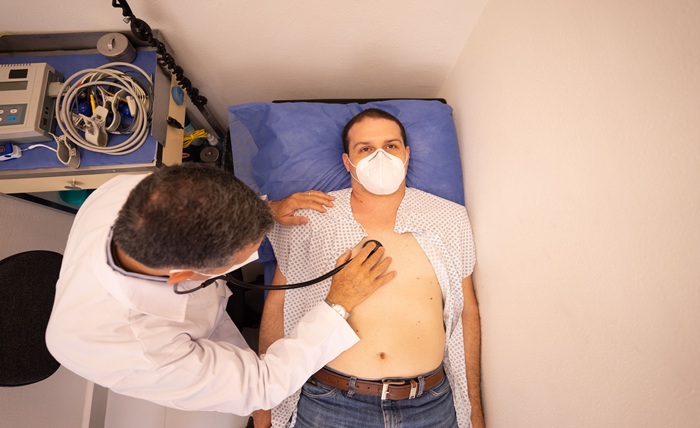
Expect your blood pressure, heart rate, weight, and oxygen levels to be measured. The physician will listen to your heart and lungs with a stethoscope, check the pulses in your arms and legs, and look for signs of fluid retention, such as swelling in the ankles.
Initial Testing
An electrocardiogram is frequently performed during the first visit. This quick, painless test records the heart’s electrical activity and can identify rhythm abnormalities, signs of a prior heart attack, and other concerns. Depending on your situation, your cardiologist may order further testing, which can include:
- Echocardiogram: an ultrasound that shows the structure and pumping function of the heart
- Stress test: an evaluation of how the heart performs during exercise or with medication that simulates exertion
- Holter or event monitor: a wearable device that records heart rhythm over days or weeks
- Blood tests: measurements of cholesterol, blood sugar, and markers of heart strain
- Coronary CT or calcium scoring: imaging that assesses plaque in the coronary arteries
Some of these tests may happen the same day, while others will be scheduled separately.
Discussion and Next Steps
Before you leave, the cardiologist should explain their initial impressions, the purpose of any recommended tests, and the plan moving forward. This might involve starting or adjusting medication, making targeted lifestyle changes, or waiting for test results before drawing conclusions. If anything is unclear, ask the physician to explain it again. A good cardiologist will welcome your questions.
After the Visit
Your responsibilities as a patient continue after you leave the office. Schedule recommended tests promptly, fill any new prescriptions, and take medications exactly as directed. Keep your symptom log going, since changes over time are clinically meaningful. Make sure you understand how you will receive test results and whom to contact if new symptoms appear.
It is also worth reflecting on how the appointment felt. Did the cardiologist listen carefully? Were your concerns taken seriously and your questions answered clearly? A relationship with a heart specialist can last many years, and feeling comfortable and respected is part of receiving good care. If the fit does not feel right, seeking a second opinion is entirely reasonable.
Taking charge of your heart health begins with a single, well-prepared appointment. By choosing a qualified cardiologist who suits your needs and arriving with organized records, a clear account of your symptoms, and thoughtful questions, you give your care team what they need to understand your situation and guide you toward the right treatment.