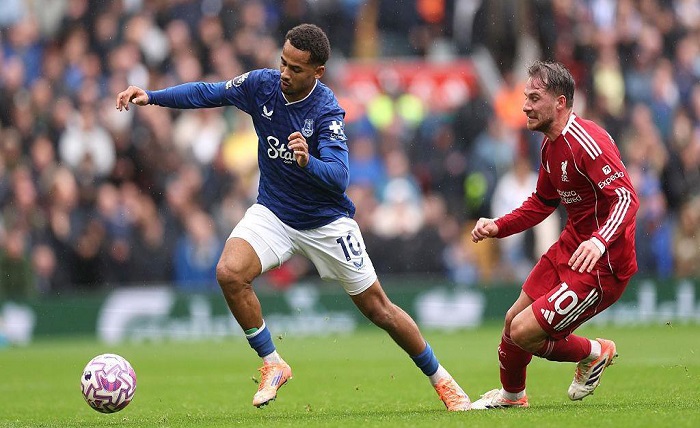
The Merseyside Derby stands as one of the most fiercely contested and historically significant fixtures in world football. When Liverpool and Everton clash, the atmosphere generated within the city transcends standard sporting rivalry, creating a unique operational challenge for stadium management, local law enforcement, and municipal transit authorities. By 2026, attending this high-stakes fixture at Anfield demands far more than merely turning up at the gates; it requires meticulous planning, a profound understanding of modern digital ticketing infrastructure, and strict adherence to localized security protocols. The geographical proximity of the two clubs means that the entire city effectively enters a heightened state of alert, with rigid segregation cordons enforced from the major railway terminals all the way to the stadium turnstiles. For domestic supporters tracking down inventory and international tourists hoping to witness this iconic spectacle, navigating the complex web of ticket allocations, mobile wallet configurations, and strict bag policies is an absolute necessity. Understanding how to legally acquire entry passes while bypassing the administrative bottlenecks of the primary box office is the foundational step in ensuring a seamless matchday experience. This comprehensive guide details the structural layout of Anfield, the mechanics of official club lotteries, secure secondary market procurement, and the specific transit strategies required to navigate a Merseyside Derby safely.
The Structural Cauldron of Anfield and Stand Segregation
Following the extensive redevelopment of the northern footprint in 2024, Anfield now operates with an expanded official capacity of 61,276, transforming it into a towering architectural amphitheatre. The stadium is defined by four distinct stands, each serving a highly specific demographic and acoustic purpose on matchday. The legendary Spion Kop, located behind the southern goal, holds 12,850 supporters in a steep, single-tier configuration. This stand is the undisputed heart of the stadium’s chanting culture, driving the relentless acoustic pressure and hosting the iconic pre-match renditions that set the tone for the derby. Running along the western touchline is the colossal Main Stand, a massive three-tiered structure seating 20,676 spectators. This stand houses the primary premium hospitality suites, media broadcasting gantries, and executive dugouts, and is specifically engineered to amplify crowd noise and project it directly onto the pitch. Opposite the Main Stand is the Sir Kenny Dalglish Stand, accommodating 11,762 fans across a two-tiered layout. This eastern structure is the designated hub for family-friendly seating, specifically concentrated within blocks CE1 to CE9, where stewards enforce a calmer environment suitable for younger supporters attending their first derby.
The newly expanded Anfield Road End, situated behind the northern goal, now holds 15,697 fans and serves as the critical focal point for matchday segregation. This stand is split between home supporters and the visiting away allocation. During a standard Premier League fixture, the visiting Everton supporters are rigidly contained within the lower tier of the Anfield Road End, specifically occupying blocks AL6 to AL9. This standard allocation is capped at approximately 3,000 seats. The immediate proximity of the away section to the surrounding home supporters generates a highly volatile and passionate atmosphere, necessitating heavy police cordons and robust stewarding lines to maintain public order. Because the demand to buy liverpool tickets for this specific fixture completely overwhelms the stadium capacity, any fan caught in the incorrect segregation zone faces severe legal repercussions. Under the strict guidelines of the local safety advisory group, any visiting supporter identified in a home section will be immediately ejected from the stadium footprint without financial recourse.
Primary Lotteries and the Scarcity of Domestic Allocations
Gaining access to general admission seating directly through the primary club box office presents an almost insurmountable administrative barrier for non-residents and casual spectators. Elite football organisations like Liverpool FC no longer facilitate general public sales for competitive league matches through traditional open box office windows. Instead, acquiring liverpool fc tickets via primary channels requires fans to purchase an official annual club membership tier. This paid subscription is merely a prerequisite to view live seat inventories and does not guarantee a ticket. The membership grants the registered profile the right to enter randomised digital lotteries, which are managed and drawn several weeks before the scheduled fixture date. For a Category A match of the magnitude of the Merseyside Derby, these ballots are heavily oversubscribed.
The structural bottleneck is further exacerbated by the internal loyalty point system. The club prioritises applicants who have accumulated a substantial history of attendance at low-profile domestic cup matches or distant midweek away fixtures over multiple seasons. Consequently, the volume of global applicants entering the ballot creates a scenario where success rates routinely fall below five percent. For casual sports tourists or international groundhoppers who cannot commit to maintaining long-term membership accounts, this randomised lottery system introduces massive uncertainty into travel scheduling. The extreme rationing of lfc tickets ensures that primary distribution networks remain heavily insulated, protecting local season pass holders but leaving an extensive global demographic entirely excluded from direct sales windows. This scarcity forces modern supporters to evaluate alternative procurement networks well before finalising their travel itineraries.
Secure Escrow Protections and Secondary Market Solutions
When the official primary membership lotteries result in a rejection and the club’s internal ticket exchange is depleted of live inventory, utilising an established third-party marketplace is the most secure operational strategy. The intense global appeal of top-flight English matches, particularly high-stakes derbies, makes the unregulated secondary space a frequent target for sophisticated digital fraud. Unverified social media channels, public message boards, and peer-to-peer messaging networks are prevalent hubs where anonymous syndicates distribute duplicated or entirely counterfeit digital access links to unsuspecting buyers. Under Section 166 of the Criminal Justice and Public Order Act 1994, the unauthorised resale of football passes is a criminal offence, which is why supporters must completely bypass independent street touts and unverified social media brokers.
To protect your financial investment and ensure stadium entry without holding expensive domestic loyalty points, supporters must select professional platforms that utilise independent escrow protections. This marketplace architecture secures the transaction by holding the buyer’s funds securely in an independent account until the matchday has successfully concluded and the digital Near Field Communication token has cleared the stadium turnstiles. For international travellers and fans without sufficient membership points, viewing authenticated marketplace options directly at liverpool tickets provides a transparent route to securing guaranteed access. Utilising this verified framework allows travellers to completely avoid the primary vulnerabilities associated with direct bank transfers to anonymous online entities. Whether you are searching for premium hospitality access or standard liverpool match tickets, relying on a vetted platform with automated verification means you can source your stadium access with absolute financial assurance.
Digital Entry Infrastructure and NFC Turnstile Protocols
The physical act of entering Anfield in 2026 relies entirely on precise mobile application configuration and synchronised near-field communication protocols. The stadium perimeter operates on a strict digital entry system; traditional paper stubs, printed PDF documents, and legacy physical membership cards have been permanently decommissioned. Once a transfer is finalised, the live ticket pass must be integrated directly into Apple Wallet or Google Wallet applications on a compatible smartphone. The electronic gate sensors are programmed to reject static screenshots of barcodes, photographic prints, or video recordings of screen animations, meaning your smartphone hardware serves as your exclusive entry voucher. General admission turnstiles open precisely at T-120 minutes, two hours prior to kick-off, and supporters are strongly advised to arrive early to clear the outer security cordons.
Turnstile access is geographically restricted to prevent crowd crossover. Supporters holding passes for the Kop must use Turnstiles A through F on Walton Breck Road, while away fans entering the Anfield Road End must exclusively approach via 97 Avenue to utilise Turnstiles Q and R. Alongside the digital entry requirements, Liverpool FC enforces a zero-tolerance bag policy. Any luggage exceeding standard A4 dimensions (twenty-one by thirty by fifteen centimetres) is strictly prohibited. The stadium provides absolutely no bag drop facilities on the footprint due to counter-terrorism protocols. Visiting supporters travelling with luggage must utilise commercial left-luggage services located at Liverpool Lime Street station before making the journey to the residential stadium district. Furthermore, Anfield is a completely cashless environment, mandating contactless debit cards or mobile payment frameworks for all concourse catering and merchandise transactions.
Pre-Match Fan Hubs and Local Pub Segregation
The public houses surrounding Anfield are deeply embedded in the cultural fabric of the football club, offering some of the most intense pre-match atmospheres in the country. However, due to the high-security nature of the Merseyside Derby, pub selection must be approached with strategic caution, as door staff rigorously enforce segregation policies. Venues in the immediate vicinity of the stadium footprint operate a strict home-fans-only policy, frequently requiring patrons to display an active home section digital pass before granting entry.
The Sandon, located on Oakfield Road just a short walk from the ground, is widely revered as the historical birthplace of Liverpool FC. On matchdays, it transforms into an exceptionally rowdy hub for home supporters, featuring multiple bars, an outdoor barbecue, and an environment steeped in authentic club culture. Another iconic establishment is The Albert, situated on Walton Breck Road directly outside the Kop. Known affectionately as the twelfth man, this pub is essential for hardcore chanting. The interior becomes so tightly packed that crowds routinely spill out onto the pavement, creating a continuous wall of noise right up until kick-off.
For visiting away supporters or neutrals looking to avoid the most intense home-fan zones, The Arkles on Anfield Road serves as the premier designated away pub. This venue offers a friendly and highly supervised environment where away fans can drink safely before walking the short distance to their designated turnstiles. Due to its proximity to the away coach drop-off points, it becomes the primary staging area for visiting contingents, offering standard pub fare and a secure atmosphere away from the hostility of the derby buildup.
Navigating Transport Bottlenecks and Post-Match Dispersal
Anfield is situated within a dense residential grid roughly two and a half miles from the city centre, creating unique logistical hurdles as the stadium lacks a dedicated mass-transit rail station on its immediate footprint. The primary transport gateway is Sandhills Station on the Merseyrail Northern Line. From Sandhills, fans must transfer to the dedicated Soccerbus shuttle service, which navigates through the suburban traffic to deposit fans near the stadium perimeter. Alternatively, Merseyrail Kirkdale is the closest physical railway station, requiring a twenty-five-minute walk through the local neighbourhoods to reach the turnstiles.
Following the final whistle, crowd dispersal becomes a severe challenge as over sixty thousand fans flood out into the narrow residential streets simultaneously. The primary bus corridor, specifically the 917 express queue on Walton Lane, regularly experiences immense gridlock, with wait times frequently exceeding forty-five minutes as municipal traffic grinds to a halt. To bypass these post-match cordons, seasoned groundhoppers and local fans often choose to undertake the forty-five-minute walk back into the city centre via Scotland Road, entirely bypassing the bus queues and returning directly to Liverpool Lime Street station. For international travellers, ensuring you have secured cheap liverpool tickets well in advance allows you to map out these transit routes without last-minute panic, ensuring you can connect smoothly with onward intercity rail services or airport transfers.
Conclusion and Final Matchday Strategy
Executing a successful visit to Anfield for the Merseyside Derby requires rigorous preparation, legal awareness, and a proactive approach to municipal transit. Adapting to the completely paperless stadium environment and ensuring your mobile device is fully updated with a live NFC wallet pass are the most critical steps to avoiding rejection at the turnstiles. Sourcing your seating through protected escrow platforms eliminates the substantial risks associated with unverified digital assets, ensuring that your liverpool football tickets yield valid admission on the day. By coordinating your luggage storage in the city centre, selecting the appropriate pre-match pub based on your allegiance, and preparing for the physical walk back to central transit hubs, you can navigate the intense derby atmosphere safely and focus entirely on the historic sporting action unfolding on the pitch.