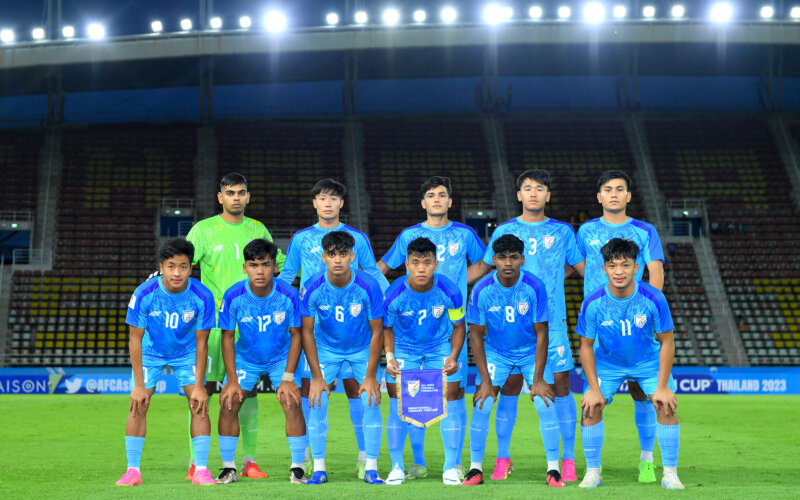
Rise of Asian Football on the Global Stage
Asian football has grown steadily from regional competition to a respected force in world football. Over the past few decades, teams from Asia have improved their technical quality, tactical awareness, and international experience. This progress has not happened overnight; it is the result of long-term investment in youth development, coaching standards, and domestic leagues. In today’s football landscape, Asian teams are no longer seen as underdogs but as serious competitors capable of surprising traditional football powerhouses. Many fans searching for football updates also come across platforms like 789bet link mới when following international matches and team performances.
Key developments in Asian football growth
- Expansion of professional domestic leagues across Asia
- Increased participation in FIFA World Cup tournaments
- Stronger youth academies and training systems
- More Asian players joining top European clubs
These improvements have helped Asian football gain respect globally. The journey continues, but the foundation is now much stronger than it was in the past.
Japan National Team and Its Model of Discipline and Structure
Japan is widely considered one of the most successful football nations in Asia. The country’s football system focuses heavily on discipline, teamwork, and technical precision. The J-League, established in the 1990s, played a major role in raising standards and developing local talent. Japan’s consistent appearances in the FIFA World Cup have strengthened its global reputation.
Key strengths behind Japan’s success
- Strong domestic league structure (J-League)
- Focus on youth development and school football programs
- Players competing in top European leagues
- Tactical discipline and fast passing style
Japan’s journey shows how long-term planning can transform a national team into a consistent global competitor. Their performances against major football nations have often been close and competitive, proving their steady rise in world football.
South Korea’s Fighting Spirit and World Cup Legacy
South Korea has built its football identity on intensity, stamina, and strong mental resilience. The nation became globally recognized after its historic run in the 2002 FIFA World Cup, where it reached the semi-finals. Since then, South Korea has remained a regular participant in the tournament and continues to produce world-class players.
Key factors in South Korea’s football success
- High-intensity training culture
- Strong work ethic and physical conditioning
- Export of players to European leagues
- Consistent World Cup qualifications
South Korea’s ability to compete against elite teams has made it one of Asia’s most respected football nations. Players like Son Heung-min have further elevated the country’s image in global football, showing that Asian players can succeed at the highest level.
Iran’s Tactical Strength and Regional Dominance
Iran has long been one of Asia’s strongest football teams, known for its physical style and solid defensive organization. The national team has consistently qualified for the FIFA World Cup and remains a dominant force in Asian competitions. Iranian football is built on tactical awareness and individual brilliance, especially in attacking positions.
Key elements of Iran’s football identity
- Strong defensive structure and physical play
- Experienced players in international leagues
- Dominance in Asian qualifying competitions
- Passionate football culture and fan support
Iran’s journey reflects consistency and resilience. Despite challenges, the team has maintained its position as a top contender in Asia and continues to aim for deeper progress in global tournaments.
Saudi Arabia and the Rise of Gulf Football Ambitions
Saudi Arabia has made significant progress in football development, especially in recent years with heavy investment in domestic leagues and international talent. The Saudi Pro League has attracted global attention, bringing experienced players and raising the overall level of competition. The national team’s historic win over Argentina in the 2022 FIFA World Cup highlighted its potential on the world stage.
Key factors behind Saudi Arabia’s football rise
- Strong financial investment in domestic leagues
- Recruitment of international stars to improve competition
- Improved coaching and training infrastructure
- Regular World Cup participation
Saudi Arabia’s football journey shows how investment and long-term planning can quickly change a nation’s standing in global football. The Gulf region as a whole is becoming more influential in shaping the future of the sport.
Australia’s Transition into Asian Football Excellence and Global Competitiveness
Australia joined the Asian Football Confederation in 2006, a move that significantly improved its competitive opportunities. Since then, the national team has consistently qualified for the FIFA World Cup and won the AFC Asian Cup. Australia’s football identity combines physical strength with structured European-style tactics due to many players being developed or trained abroad. While following international football updates, some fans also explore platforms such as 789bet dang nhap when tracking match outcomes and statistics.
Key strengths of Australian football development
- Participation in stronger Asian competitions after joining AFC
- Many players competing in European leagues
- Strong fitness-based playing style
- Consistent World Cup qualifications and performances
Australia’s integration into Asian football has raised the overall competitiveness of the region. Their presence has also pushed other Asian teams to improve their standards in order to compete at the same level.
Emerging Asian Football Nations Shaping the Future of the Game
Beyond the traditional powerhouses, several Asian countries are rapidly developing their football programs. Nations like Qatar, the United Arab Emirates, and Vietnam have invested heavily in infrastructure, coaching, and youth development. Qatar’s success in hosting the 2022 FIFA World Cup also helped accelerate football interest and investment in the region.
Key developments among emerging Asian teams
- Increased investment in football academies and facilities
- Hosting major international tournaments
- Growing popularity of football among youth populations
- Participation in competitive regional tournaments
Vietnam, in particular, has shown impressive improvement in recent years, especially in youth competitions. These emerging teams are reshaping the competitive landscape of Asian football and narrowing the gap with traditional powerhouses.
Conclusion on the Complete Evolution and Global Rise of Asian Football Powerhouses
The journey of Asian football teams toward global recognition has been shaped by discipline, investment, cultural passion, and long-term planning. Countries like Japan and South Korea set the foundation through structured development systems, while Iran and Saudi Arabia demonstrated consistency and ambition in regional dominance. Australia’s integration into the AFC added another competitive edge, and emerging nations are now pushing the boundaries even further. Together, these teams have transformed Asia into a serious force in world football, capable of challenging established football nations and producing world-class talent on a regular basis.