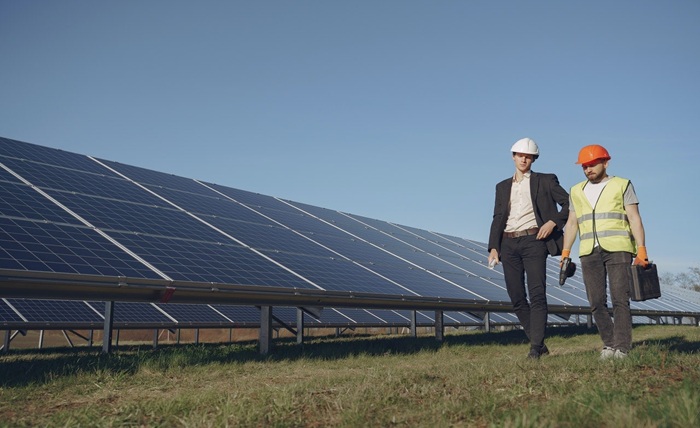
In recent years, homeowners in MetroWest have shown increasing interest in renewable energy — especially solar power. With rising utility bills and abundant sunshine across Central Florida, joining the clean energy movement is becoming a smart financial and environmental decision. If you’re considering solar companies in Metrowest FL, understanding what to expect during the process can make the experience smoother and more rewarding.
Whether it’s framing your initial questions or knowing how long each phase might take, having a roadmap empowers you to choose the right solar partner and feel confident about your investment.
First Step: Initial Contact and Free Consultation
When you first reach out to solar companies in MetroWest FL — usually by phone or an online form — the process generally begins with a no‑obligation consultation. This consultation is your chance to share basic details about your home, such as your current electricity bills, roof type, and energy goals. Many reputable providers offer these consultations at no cost, with no high‑pressure sales tactics.
During this conversation, companies often ask for:
- A recent copy of your utility bill
- Your address and roof information
- Your goals for energy savings or carbon footprint reduction
Expect the discussion to last anywhere from 15 to 45 minutes. A good consultant will focus on education rather than pressure, explaining incentives like the federal solar tax credit — currently worth up to 30% of system costs for systems installed by the end of 2025.
Site Assessment and System Design
Once you’ve had that introductory chat and decide to move forward, most solar companies will schedule an on‑site visit or virtual assessment. This phase is crucial because it determines how well your home is suited for solar — including roof angle, shading, and structural soundness.
During this site survey:
- A technician measures your roof and assesses shading from trees
- Your electrical panel and wiring are reviewed
- Solar professionals create a customized system design
This step usually takes a few days and forms the foundation of your entire solar investment. It also helps installers estimate how many panels you’ll need to meet your energy goals and how much energy you can realistically generate.
Quotes, Financing, and Choosing the Right Offer
After the design and assessment, you’ll receive a detailed proposal outlining the cost of your solar system, estimated savings, equipment brands, and warranties. Expect to receive multiple quotes — from at least two or three installers — so you can compare costs, equipment quality, and service offerings.
Key points to evaluate in your quote include:
- Total system cost (before and after incentives)
- Warranties on equipment and installation work
- Financing options (cash purchase, loans, or leases)
- Expected production and savings estimates
Reliable solar companies will walk you through each part of the proposal, helping you understand not just upfront costs but long‑term benefits.
Permits, Approvals, and Paperwork
Once you approve a proposal and sign a contract, your chosen solar provider takes over the bulk of the red tape. This includes submitting permit applications to local authorities and applying for utility interconnection.
Typical paperwork handled by your installer includes:
- Building and electrical permits from Orange County or Orlando authorities
- Utility interconnection applications (to connect your system to the grid)
- Any necessary HOA approvals
This stage can take 2–6 weeks or more, depending on local permitting processes and utility timelines. Throughout this period, quality solar companies keep you informed about progress and timing.
Equipment Delivery and Installation
After permits are approved, equipment is ordered and delivered. Most installations take just 1–3 days, depending on system size and roof complexity.
On installation day, here’s what typically happens:
- Mounting hardware is attached to your roof with proper flashing
- Solar panels are securely mounted
- Electrical components like inverters and wiring are installed
- Your system is tested for safety and performance
Solar professionals work efficiently and safely, often completing complex installs with minimal disruption to your daily life.
Inspections and Interconnection
Once the physical installation is complete, there’s another important phase: inspections and interconnection. After local building and electrical inspectors approve the work, your utility provider grants Permission to Operate (PTO).
This final approval allows your system to begin generating power and may include setting up net metering — a system where excess power you generate can offset your utility bill.
What You Should Ask Solar Companies in MetroWest FL
Before signing any contract, it’s wise to ask prospective installers a few key questions, such as:
- Are they licensed and insured?
- Do they perform installations with their own crews (not subcontractors)?
- How long have they been in business?
- What warranties do they provide?
Asking these questions helps you avoid common pitfalls — like companies that use high‑pressure sales tactics or offer deals that seem “too good to be true.”
Final Thoughts: A Process Worth Knowing
Choosing to go solar is a major decision that can save homeowners thousands of dollars over time and significantly reduce carbon footprints. Knowing what to expect when you contact solar companies in Metrowest FL helps you make informed choices and navigate the process with confidence.
From your first consultation to system activation, clear communication and transparency from your installer make all the difference. With the right expectations, going solar can be a smooth, rewarding journey that sets your home up for decades of clean, cost‑effective energy.