Why Consistent Icons Decide How Professional A Product Feels
Users rarely point at a single icon and complain, yet they instantly notice when an interface feels stitched together. That effect usually comes from icons. Different stroke widths, clashing corner radiuses, and improvised pictograms from old projects make even serious software look unreliable.
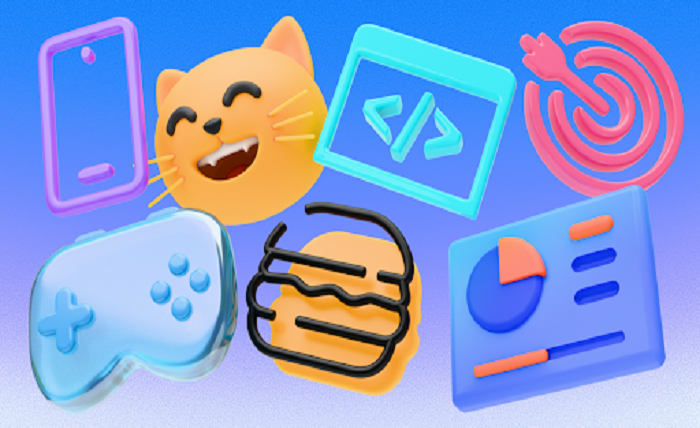
Icons8 treats icons as a shared standard instead of a bag of individual files. The catalog is organized into strict visual families: iOS inspired glyphs, Material based shapes, Fluent and Windows style pictograms, monochrome outline sets, expressive color icons, and more experimental options. Each family follows one grid and one set of drawing rules, so a feature shipped next quarter still matches a layout designed last year.
Styles And Formats That Match Real Workflows
For designers, this behaves like a ready made layer in the design system. One style can define the core interface for web, iOS, and Android. Another style can support the marketing site, slide decks, and investor updates. A more playful family can live in onboarding, empty states, and educational materials. Because every style is internally consistent, teams spend less time smoothing out details and more time on actual product decisions.
Technically, the library covers common pipelines. PNG and SVG handle UI and illustrations. PDF exports work for print inserts, manuals, and teaching handouts. Animated icons in GIF and Lottie formats support microinteractions, loading states, and notifications. The same concept can appear as a tiny control in a toolbar, a looping status element, and a slide illustration without being rebuilt three times.
Communication Interfaces And The Email Logo
Most products talk to users through notifications, newsletters, and support channels, not just in app screens. Icons8 includes focused sets for communication UI: inboxes, chat, support, alerts, and contact methods. A single email logo can act as the anchor for sign up forms, newsletter prompts, profile settings, and help center blocks, always in the same visual style as the rest of the product icons. That level of consistency keeps the interface readable even when designers rotate across projects.
Designers, Developers, Marketers, And Teachers Using The Same Source
Designers pull icons straight into Figma, Sketch, Lunacy, or Adobe tools, building component libraries around stable styles. Developers care about clean SVG code, predictable naming, and manageable file sizes when wiring icons into React, Vue, or native design systems. Marketers and content managers reuse the same icon families across blogs, landing pages, and social posts, so campaigns still look connected to the product instead of feeling like a separate brand.
Design students and teachers gain a different advantage. With Icons8, classroom projects can use professional quality pictograms from day one, letting courses focus on hierarchy, interaction, and accessibility instead of hand drawing every symbol. For educational platforms, coding bootcamps, and university programs, that shortcut means prototypes from students look closer to production level work.
Licensing And Reliability For Long Term Projects
Any serious organization eventually audits its assets. Icons8 backs the catalog with clear license terms for apps, web products, and printed materials, including attribution rules for free usage and paid plans that remove that requirement. Combined with regular updates and support for current tools, this turns the icon library into a stable piece of visual infrastructure for designers, developers, design students, marketers, content managers, startups, and teachers rather than a disposable folder of unknown files.