
In today’s competitive business world, staying connected with potential customers who have shown interest in your services is vital. That’s where B2B retargeting comes in. Retargeting helps you reconnect with these prospects by showing them personalized ads as they browse other parts of the web, nudging them closer to becoming customers.
This blog will guide you step-by-step on how to build an effective B2B retargeting plan using ad generators—tools that create targeted and compelling advertisements designed to maximize your click-through rates (CTR). Even if marketing terms sound unfamiliar, don’t worry: this guide breaks everything down in simple, clear language, helping you understand and implement a winning strategy.
What Is B2B Retargeting and Why It Matters
B2B retargeting is a marketing method where ads are shown specifically to business prospects who have interacted with your website, content, or brand but haven’t yet converted into customers. The goal is to stay “top of mind” during their decision-making process, which often takes longer in B2B markets due to multiple stakeholders and complex buying journeys.
Because B2B purchases tend to involve longer sales cycles, showing the right ad at the right time is crucial. Retargeting helps you deliver relevant messages, build trust, and move prospects further down the sales funnel, increasing the chance they take action—like requesting a demo or signing up for a trial.
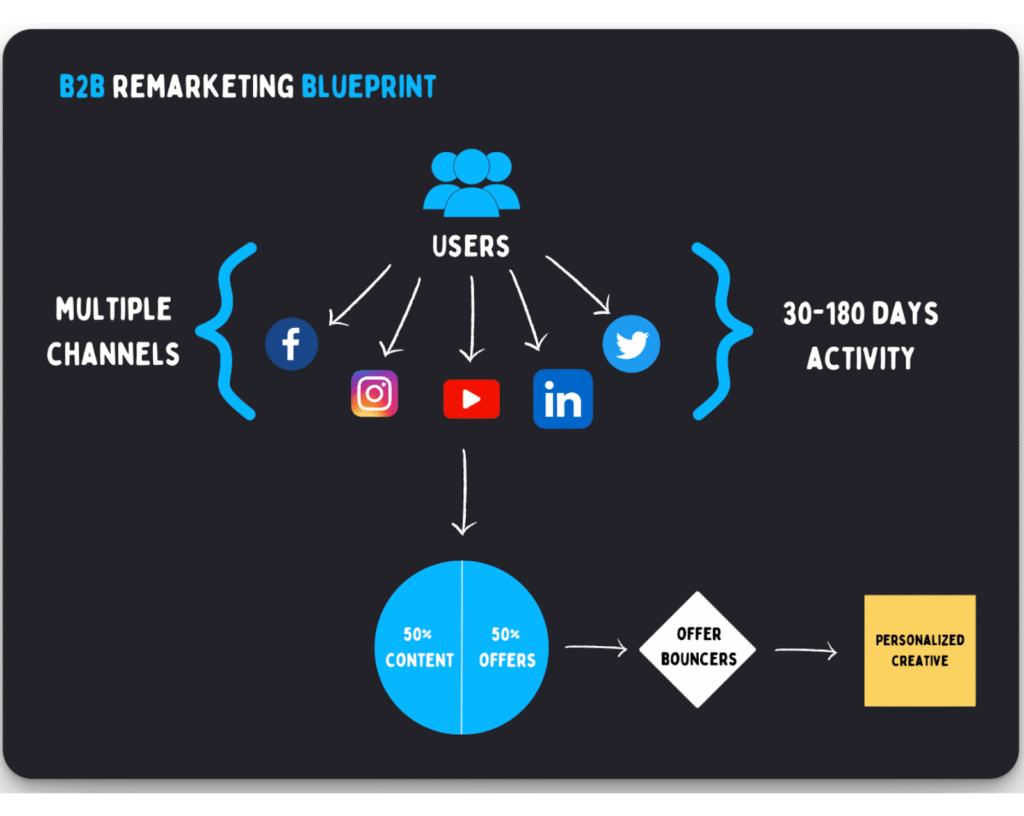
Step 1: Identify and Segment Your Audience
Before launching any ads, understand who you want to retarget and why. Segmenting your audience means dividing prospects into groups based on how they interacted with your business. This makes your ads more relevant and effective because each group gets messaging tailored to their needs.
Common segments include:
- Visitors to specific website pages (homepage, pricing, product pages)
- People who downloaded whitepapers or case studies
- Those who started but didn’t finish forms or demos
- Past webinar attendees or event participants
Use tools like Google Analytics and LinkedIn Insights to analyze your visitors’ behaviors and characteristics such as industry, company size, job title, and location. This detail helps create ad campaigns targeted precisely to each group.
Step 2: Confirm Retargeting Pixels Are Installed
A retargeting pixel is a small piece of code placed on your website that tracks visitors and allows ad platforms to show them tailored ads later. Without pixels, you can’t effectively retarget because platforms won’t know who to show your ads to.
Ensure you have pixels installed on your main pages and conversion points (like forms or downloads). Common platforms where you’ll install pixels include:
- Meta (Facebook & Instagram)
- Twitter (X)
- Google’s Display Network (for YouTube and other sites)
Testing these pixels is essential to avoid wasted budget and reach the right audiences.
Step 3: Use Ad Generators to Create Compelling & Relevant Ads
Ad generators help you build ads quickly by using templates and automated suggestions based on your input. When creating ads, pay close attention to language and visuals because these elements can significantly impact your CTR—the percentage of people who see your ad and click on it.
To maximize CTR in your B2B retargeting ads, follow these tips:
- Use clear, action-oriented phrases like “Get a Custom Demo”, “Start Your Free Trial”, or “See Success Stories”.
- Headlines should address a problem your audience faces and promise a solution.
- Incorporate social proof, such as client testimonials or case study highlights.
- Keep calls-to-action (CTAs) short and compelling, encouraging immediate clicks.
- Use visuals that are clean, professional, and aligned with your brand.
This way, the ad generator helps you design ads that are not just seen but interacted with.
Step 4: Build Multiple Retargeting Segments and Campaigns
Not all website visitors are at the same stage in their buying journey. To be effective, build different retargeting campaigns targeted to each segment identified in Step 1.
For example, create separate ads for:
- Visitors who reached your pricing page but didn’t convert (more direct offers)
- Content downloaders (more educational and nurturing offers)
- Past demo requesters (more personalized follow-ups)
Each campaign can run with specific timeframes, such as retargeting visitors from the last 30, 60, or 90 days to keep your message timely and relevant.
Keep your naming conventions consistent and clear for easy management and reporting.
Step 5: Choose the Right Channels for Your Retargeting Ads
Pick platforms where your B2B audience spends time and can be precisely targeted. Common channels include:
- LinkedIn Ads: Best for targeting by job title, company size, and industry.
- Meta (Facebook & Instagram): Great for reaching broader professional networks and visual ads.
- Twitter (X): Useful for engagement around industry conversations.
- YouTube: Excellent for video content showcasing demos or testimonials.
Running campaigns across multiple channels creates an omnipresent effect, increasing brand recall and conversions as prospects see your ads repeatedly in different places.
Step 6: Refine Targeting with Exclusions and Lookalikes
To optimize your budget, exclude users who already converted or don’t fit your target profile. Also experiment with lookalike audiences—new prospects similar to your best customers.
This ensures your ads reach qualified leads and prevents wasted spend on uninterested users.
Step 7: Monitor, Test, and Optimize
B2B retargeting is not set-and-forget. Use your ad platform’s analytics to monitor performance metrics like CTR and conversions. A good CTR for LinkedIn B2B ads, for instance, is between 0.5% to 1.5%, but aiming higher with sharper copy is possible.
Experiment with different ad copies, images, and CTAs using A/B testing. The goal is to find the combinations that drive the best engagement and conversions, then scale those winning ads.
Consistent monitoring helps improve your retargeting campaigns’ efficiency and ROI over time.
Added Insights for Effective B2B Retargeting
- Personalization is powerful: Tailor ads not just by segment but also by role and industry to speak directly to prospects’ most pressing challenges.
- Focus on education and nurturing: Unlike B2C, B2B buyers need longer nurturing. Retarget with valuable content like webinars and case studies to steadily build trust.
- Use urgency and incentives wisely: Limited-time offers and exclusive demos can push prospects from interest to decision.
- Account-Based Marketing (ABM) principles: Retarget at the account level including multiple decision-makers. Coordinate marketing and sales for aligned messaging.
- Clear and consistent naming conventions: This helps keep campaigns organized and simplifies analysis.
Conclusion
Building a B2B retargeting plan with ad generators doesn’t have to be complex. By following these steps: understanding your audience, setting up tracking, crafting compelling ads, segmenting campaigns, choosing the right channels, refining targeting, and continually optimizing.Businesses can boost engagement, improve click-through rates, and drive more conversions.
With the right words and images generated by smart ad tools, retargeting can turn casual visitors into loyal customers, helping your business grow sustainably